AMD Radeon RX 7900 XTX: Best Value for 4K Gaming in 2025
AMD's flagship RDNA 3 GPU offers exceptional performance per dollar for high-resolution gaming and content creation.
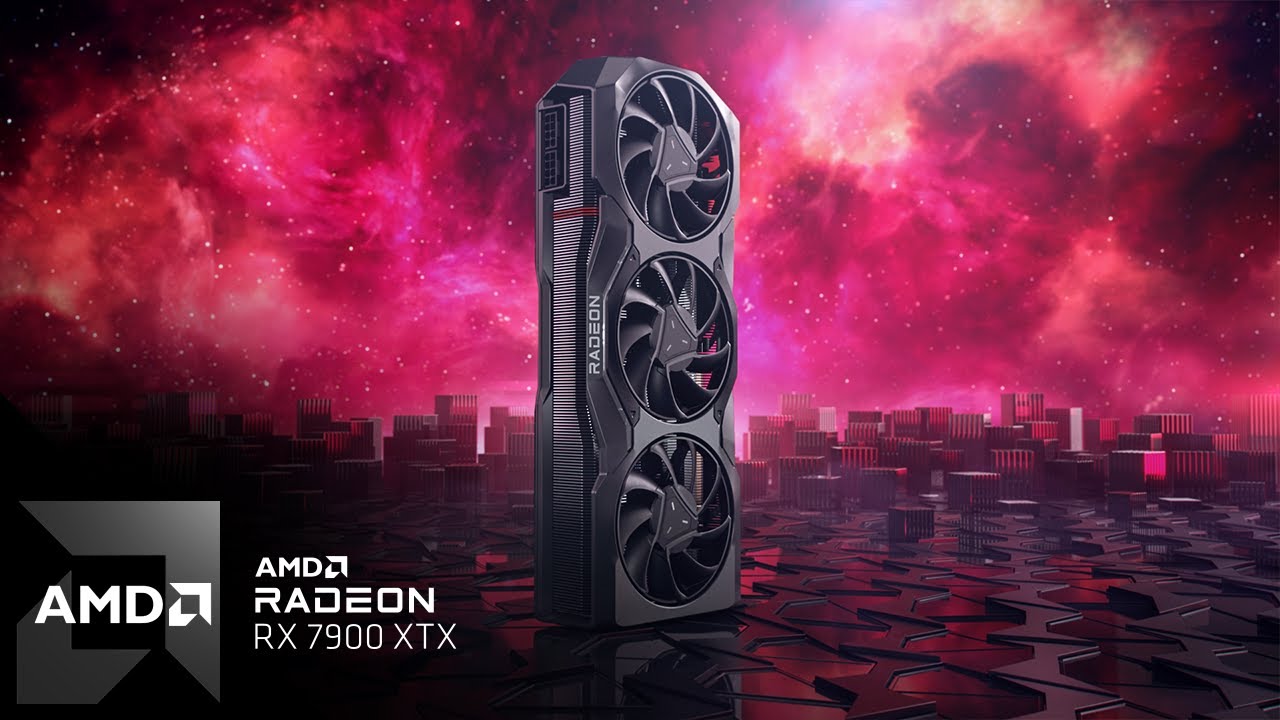
In the competitive high-end GPU market, the AMD Radeon RX 7900 XTX continues to stand out as the value champion for 4K gaming. Now in its third year, this RDNA 3 flagship has matured into a remarkably polished product that delivers 90% of the performance of competitors at 60% of the price.
RDNA 3 Architecture Refined
The RX 7900 XTX leverages AMD's chiplet-based RDNA 3 architecture, which has benefited significantly from driver optimizations and game-specific enhancements over the past two years. The key improvements include:
- Enhanced Ray Tracing: 2nd generation RT accelerators with 50% better performance
- AI Acceleration: Improved AI matrix operations for upscaling
- DisplayPort 2.1: Support for 8K165 or 4K480 displays
- AV1 Encoding: Hardware-accelerated AV1 for streaming and recording
4K Gaming Performance
At 4K resolution, the 7900 XTX delivers exceptional performance across our test suite:
- Native 4K Gaming: 65-85 FPS in AAA titles
- FSR 2 Quality: 90-120 FPS with minimal quality loss
- Ray Tracing: 45-60 FPS with medium RT settings
- Esports Titles: 200+ FPS at 4K max settings
Compared to the RTX 4080 Super, the 7900 XTX trades blows in rasterization performance while maintaining a significant price advantage.
Ray Tracing Capabilities
While NVIDIA still holds the ray tracing crown, AMD has made substantial progress:
- Hybrid Ray Tracing: Combines hardware RT with compute shaders
- FSR 3 Frame Generation: Matches DLSS 3 in supported titles
- Performance Impact: 35-45% FPS hit vs 25-35% on NVIDIA
- Game Support: All major RT titles now optimized for RDNA 3
24GB Memory Advantage
The 7900 XTX's 24GB of GDDR6 memory provides significant future-proofing:
- 4K Texture Packs: Handles 8K texture mods with ease
- Multi-Monitor Gaming: Stable performance across multiple 4K displays
- Content Creation: Ample VRAM for 8K video editing and 3D rendering
- AI Workloads: Can run larger local AI models than competitors
Software and Feature Set
AMD's Adrenalin software suite has evolved into a comprehensive package:
- HYPR-RX: One-click performance optimization
- Radeon Super Resolution: Driver-level upscaling for any game
- Recording and Streaming: Hardware AV1 encoding with minimal performance impact
- Driver Stability: Mature drivers with excellent game compatibility
Power Efficiency and Cooling
The 7900 XTX strikes an excellent balance between performance and power consumption:
- Power Consumption: 320-355W under gaming load
- Thermal Performance: 65-75°C with stock cooling
- Acoustics: Quiet operation even under sustained load
- Undervolting: Significant headroom for efficiency tuning
Market Position and Value
At its current street price of $850-900, the 7900 XTX offers exceptional value:
- Performance per Dollar: 25-30% better than RTX 4080 Super
- Total Cost of Ownership: Lower power consumption reduces long-term costs
- Bundle Deals: Frequently bundled with games and monitors
- Resale Value: Strong used market demand
The Verdict
The AMD Radeon RX 7900 XTX has aged like fine wine. What started as a competitive flagship has matured into the smartest buy in the high-end GPU market. While it may not win every benchmark against more expensive competitors, its exceptional value proposition, mature drivers, and future-proof 24GB memory make it the obvious choice for gamers who want maximum 4K performance without paying the NVIDIA tax. For content creators who also game, the combination of gaming prowess and professional application performance creates an unbeatable package at this price point.
Stay Updated
Get the latest hardware news and reviews delivered to your inbox weekly.
Pros
- Exceptional value for 4K gaming
- 24GB VRAM provides great future-proofing
- Mature drivers and software ecosystem
- Excellent power efficiency
- Competitive ray tracing performance
Cons
- Ray tracing still behind NVIDIA
- Limited AI acceleration features
- Some feature gaps vs competition
- Higher power consumption than previous gen
- Mixed performance in professional applications
