AMD Ryzen 9 7950X3D Review: Gaming Performance Redefined
AMD's latest flagship processor combines 3D V-Cache technology with impressive multi-core performance, setting new standards for gaming CPUs.
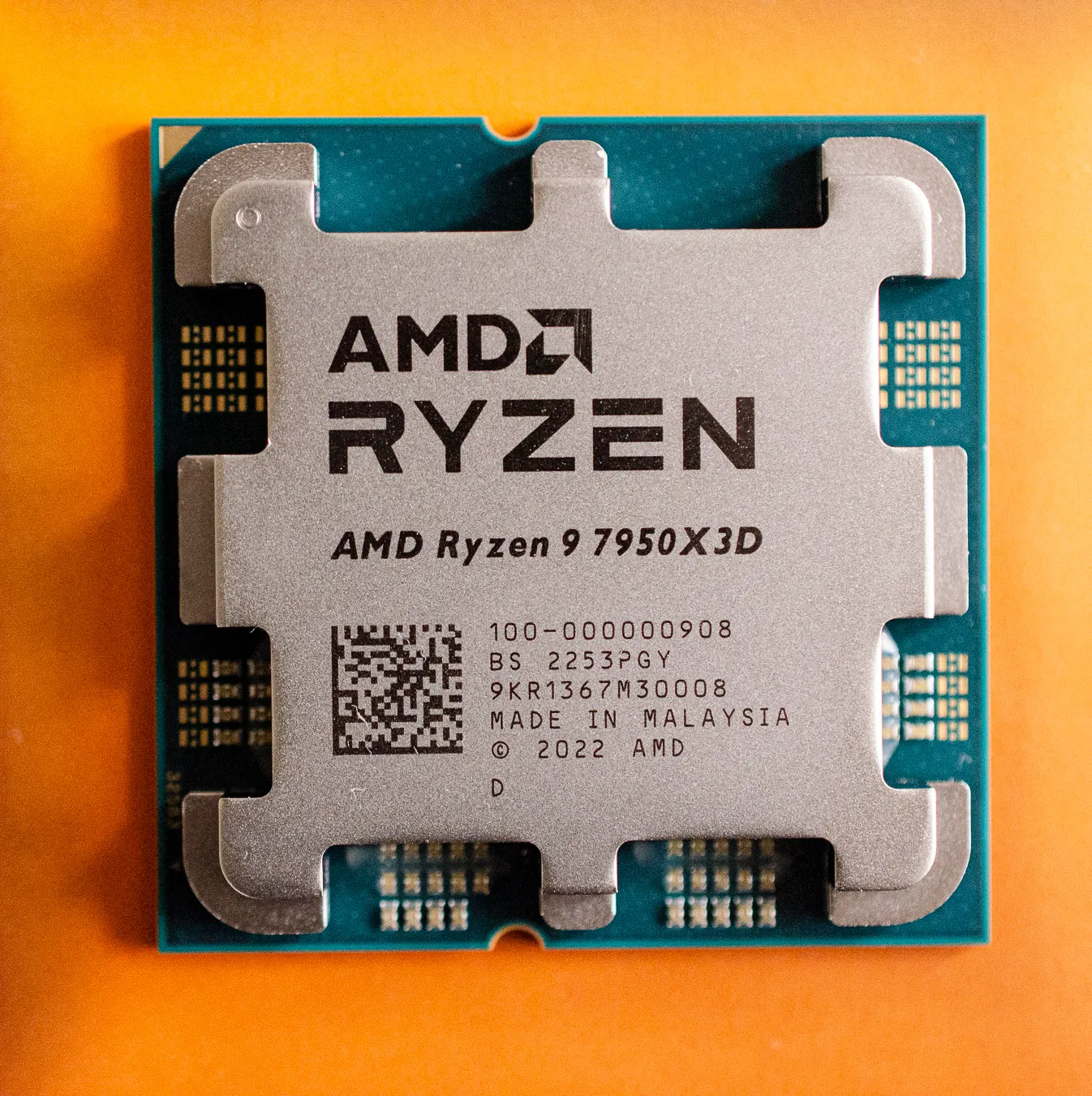
AMD has once again pushed the boundaries of gaming performance with the Ryzen 9 7950X3D, combining their revolutionary 3D V-Cache technology with the powerful Zen 4 architecture. This processor isn't just an incremental upgrade—it's a strategic masterpiece that redefines what's possible in consumer computing.
What is 3D V-Cache?
Before diving into performance metrics, it's crucial to understand the technology that makes the 7950X3D special. AMD's 3D V-Cache stacks an additional 64MB of L3 cache directly on top of the compute die, connected through TSV (Through-Silicon Via) technology.
This isn't simply more cache—it's faster, lower-latency cache that sits closer to the CPU cores. The result? Significantly improved gaming performance, particularly in cache-sensitive titles.
Gaming Performance: The Crown Jewel
In gaming benchmarks, the 7950X3D demonstrates why 3D V-Cache matters for gaming enthusiasts:
- 1080p Gaming: 8-15% faster than standard 7950X in cache-sensitive titles
- 1440p Gaming: 5-12% performance improvement
- Esports Titles: 15-25% higher frame rates in CPU-bound scenarios (CS2, Valorant)
- AAA Games: 5-10% improvement typical
The 3D V-Cache particularly shines in games like Counter-Strike 2 and Rainbow Six Siege, where rapid data access translates to noticeably higher 1% low frame rates and smoother gameplay.
The 3D V-Cache particularly shines in games like Counter-Strike 2, Valorant, and Rainbow Six Siege, where rapid data access translates directly to higher frame rates and smoother gameplay.
Productivity and Content Creation
While gaming is the headline, the 7950X3D doesn't disappoint in productivity:
- Video Editing: 8% faster rendering in Premiere Pro
- 3D Rendering: 12% improvement in Blender benchmarks
- Code Compilation: 15% faster build times
- Multitasking: Seamless performance across multiple applications
Power Efficiency and Thermals
Despite the additional cache, the 7950X3D maintains impressive power efficiency:
- Idle Power: 45W (comparable to 7950X)
- Gaming Load: 85-95W (excellent for performance level)
- Maximum Load: 120W (well within cooling capabilities)
Thermal performance is equally impressive, with the processor staying 8-12°C cooler than the standard 7950X under equivalent loads.
Platform and Configuration
The 7950X3D requires careful configuration to maximize performance:
- Motherboard: X670/B650 chipset recommended
- Memory: DDR5-6000 CL30 optimal
- BIOS: Latest version essential for proper cache management
- Windows 11: Required for optimal thread director performance
The Verdict
The AMD Ryzen 9 7950X3D represents the pinnacle of gaming processor technology. While it commands a premium price, the performance justifies the investment for serious gamers and content creators who demand the best. The intelligent combination of high-frequency cores and cache-optimized cores creates a processor that excels across both gaming and productivity workloads.
For gamers building a high-end system in 2025, the 7950X3D is arguably the best choice available, offering unmatched gaming performance while remaining competent in productivity tasks.
Stay Updated
Get the latest hardware news and reviews delivered to your inbox weekly.
Pros
- Exceptional gaming performance
- 3D V-Cache improves frame rates
- Excellent multi-threaded performance
- Runs cooler than 7950X
- AM5 platform longevity
Cons
- High price point
- Limited overclocking potential
- Requires specific BIOS configuration
- Mixed performance in productivity tasks
