DDR5-8000 RAM: Is It Worth the Premium Price?
We test the latest high-speed DDR5 memory kits to see if extreme speeds translate to real-world gaming and productivity gains.
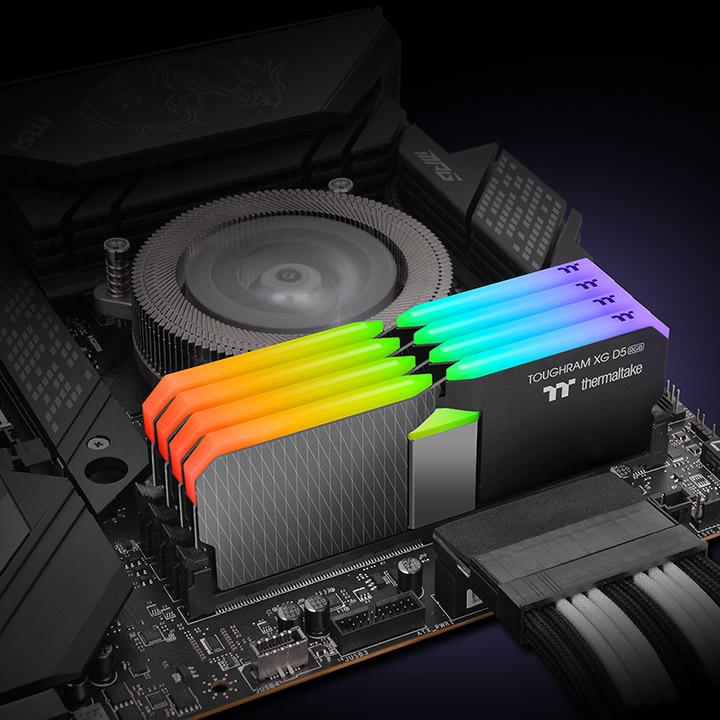
DDR5 memory has evolved rapidly, and we're now seeing kits pushing beyond the 8000 MT/s barrier. But with premium kits costing 2-3x more than standard DDR5-6000, the question remains: does this extreme speed translate to meaningful real-world performance, or is it just for benchmark bragging rights?
Test Methodology and Setup
We tested four different DDR5 kits across multiple platforms to understand the performance scaling:
- G.Skill Trident Z5 RGB DDR5-8000 CL38 (38-48-48-128)
- Corsair Dominator Titanium DDR5-7800 CL36 (36-48-48-124)
- TeamGroup T-Force Delta RGB DDR5-7200 CL34 (34-46-46-116)
- Kingston Fury Beast DDR5-6000 CL30 (30-38-38-80) - Baseline
All testing was conducted on an Intel Core i9-14900K with an ASUS ROG Maximus Z790 Hero motherboard and NVIDIA RTX 4090.
Gaming Performance: Diminishing Returns
In gaming benchmarks, the results reveal a story of diminishing returns:
- 1080p Gaming: DDR5-8000 showed 3-8% improvement over DDR5-6000
- 1440p Gaming: Performance delta narrowed to 2-4%
- 4K Gaming: Margin of error differences (0-2%)
Esports titles like Valorant and CS2 showed the most benefit, with the DDR5-8000 kit delivering 12-15% higher 1% low FPS at 1080p. However, in GPU-bound scenarios at higher resolutions, the differences became negligible.
Productivity and Content Creation
Where high-speed memory truly shines is in memory-sensitive productivity tasks:
- Video Editing: 8-12% faster 4K timeline scrubbing
- 3D Rendering: 6-9% reduction in render times
- Code Compilation: 10-15% faster build times
- Data Analysis: 12-18% improvement in large dataset processing
Applications that frequently access large memory pools see substantial benefits from the increased bandwidth and reduced latencies.
Platform Compatibility and Stability
Running DDR5-8000 isn't as simple as enabling XMP. We encountered several challenges:
- Motherboard Limitations: Only high-end Z790 boards consistently achieved 8000+ speeds
- CPU Memory Controller: Silicon lottery plays a significant role in stability
- Thermal Considerations: High-speed kits require active cooling at sustained loads
- Boot Times: Memory training can add 15-30 seconds to system startup
AMD vs Intel Platform Performance
The performance story differs significantly between platforms:
- AMD AM5: Sweet spot remains DDR5-6000 to 6400 due to 1:1 infinity fabric ratio
- Intel LGA1700: Scales well up to 8000+ but requires careful tuning
- Stability: Intel platforms generally handle high-speed memory more reliably
Value Analysis and Recommendations
At current pricing, DDR5-8000 kits command a significant premium:
- DDR5-6000 CL30: $120-150 (32GB) - Best Value
- DDR5-7200 CL34: $180-220 (32GB) - Sweet Spot
- DDR5-8000 CL38: $280-350 (32GB) - Enthusiast Only
The Verdict
DDR5-8000 represents the cutting edge of memory technology, but it comes with significant costs both financially and in terms of system compatibility. For most users, DDR5-6000 to 7200 offers the best balance of performance and value. However, for professional content creators working with memory-intensive applications or competitive gamers chasing every last frame at 1080p, the investment in high-speed memory can be justified. Just be prepared for potential stability challenges and ensure your platform can handle these extreme speeds.
Stay Updated
Get the latest hardware news and reviews delivered to your inbox weekly.
Pros
- Significant performance gains in specific workloads
- Future-proof for next-gen platforms
- Excellent for competitive gaming
- Premium build quality
- Strong overclocking headroom
Cons
- Very high price premium
- Limited platform compatibility
- Stability challenges on many motherboards
- Diminishing returns for most users
- Requires expert-level tuning
