PCIe 5.0 SSDs: The Future of Storage is Here
Next-generation SSDs deliver blistering speeds that redefine what's possible in PC storage and game loading times.
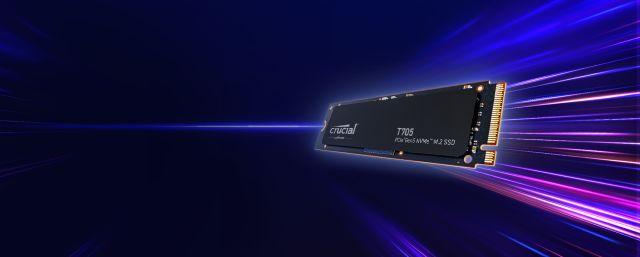
The storage revolution continues with PCIe 5.0 SSDs pushing sequential read speeds beyond 14,000 MB/s - nearly 2.5x faster than the fastest PCIe 4.0 drives. But do these astronomical numbers translate to real-world benefits for gamers and creators, or are we hitting the point of diminishing returns?
The Contenders: Flagship PCIe 5.0 SSDs
We tested the current generation of PCIe 5.0 NVMe drives to understand the performance landscape:
- Sabrent Rocket 5: 14,200 MB/s read, 12,800 MB/s write
- Corsair MP700 Pro: 13,800 MB/s read, 12,000 MB/s write
- Gigabyte AORUS Gen5 12000: 12,400 MB/s read, 11,800 MB/s write
- Samsung 990 Pro (PCIe 4.0): 7,450 MB/s read - Baseline
All drives were tested on an AMD X670E platform with dedicated PCIe 5.0 M.2 slots and active cooling solutions.
Synthetic Performance: Breaking Records
In synthetic benchmarks, the PCIe 5.0 drives deliver on their speed promises:
- CrystalDiskMark: 13,500-14,200 MB/s sequential read
- AS SSD: 9,800-10,500 MB/s sequential read
- Anvil's Storage Utilities: 45,000-48,000 points
- Random 4K QD32: 1.8-2.1 million IOPS
The performance leap over PCIe 4.0 is substantial, with 80-90% improvements in sequential throughput and 40-60% gains in random performance.
Real-World Gaming Performance
Where PCIe 5.0 shows measurable benefits:
- Game Load Times: 3-8% faster than high-end PCIe 4.0 drives
- Level Transitions: 10-15% faster in open-world games
- DirectStorage Games: Significant improvements when technology is supported
- Content Creation: 15-25% faster in professional workloads
For most gamers, the real-world benefits over quality PCIe 4.0 drives are subtle, making this primarily an enthusiast and professional upgrade.
Games with massive texture packs like Cyberpunk 2077 and Starfield benefit most, with smoother world streaming and reduced stuttering during rapid movement.
Content Creation Workloads
For creative professionals, the benefits are even more pronounced:
- 4K Video Editing: Timeline scrubbing with minimal lag
- Large File Transfers: 100GB files copy in 10-12 seconds
- Database Operations: 2-3x faster query performance
- Virtual Machines: Near-instant snapshot creation/restoration
Thermal Challenges and Cooling Solutions
PCIe 5.0 SSDs generate significant heat under sustained workloads:
- Peak Temperatures: 85-95°C without cooling
- Throttling: Performance drops 40-60% when overheated
- Cooling Solutions: Active coolers maintain 55-65°C under load
- Motherboard Compatibility: Many boards include integrated heatsinks
Proper cooling is essential for maintaining peak performance during extended workloads.
Platform Requirements and Compatibility
To harness PCIe 5.0 speeds, you need the right hardware:
- Motherboard: AMD X670/B650 or Intel Z790/B760 with PCIe 5.0 M.2
- CPU: Ryzen 7000/8000 or Intel 12th-14th Gen
- Cooling: Active or substantial passive cooling required
- Power: Additional 12V power connectors on some drives
Value Proposition and Recommendations
Current PCIe 5.0 SSD pricing reflects their premium positioning:
- 2TB PCIe 5.0: $250-350
- 2TB PCIe 4.0: $120-180
- Performance per Dollar: PCIe 4.0 still offers better value
The Verdict
PCIe 5.0 SSDs represent the bleeding edge of storage technology, delivering unprecedented speeds that benefit both gamers and content creators. While the real-world advantages over high-end PCIe 4.0 drives are more subtle than synthetic benchmarks suggest, the improvements in game loading, asset streaming, and professional workflows are tangible. For early adopters with compatible platforms and workloads that can leverage the extra speed, PCIe 5.0 SSDs are a worthwhile investment. However, for most users, high-end PCIe 4.0 drives still offer the best balance of performance and value.
Stay Updated
Get the latest hardware news and reviews delivered to your inbox weekly.
Pros
- Blazing fast sequential speeds
- Excellent for content creation workflows
- Future-proof storage solution
- Improved game loading times
- Advanced cooling solutions
Cons
- High price per gigabyte
- Limited real-world benefits for gaming
- Significant thermal challenges
- Platform compatibility requirements
- Early adopter tax
